When a Temporary Crown Causes Problems Before the Final Restoration Is Even Delivered
A patient calls the office two days after a crown prep appointment because the provisional has come loose, cracked, or shifted out of position. For dentists in Boca Raton, this scenario is more than an inconvenience. It means an unscheduled chair appointment, a frustrated patient, and added pressure on the final restoration timeline. Temporary crowns are often treated as an afterthought, but a poorly fitted or weak provisional can compromise tissue health, bite alignment, and the patient's confidence in the overall treatment plan. This article looks at how lab-fabricated temporary crowns, built with the same attention to detail as final restorations, help dentists avoid these setbacks and keep cases moving smoothly from prep to delivery.
Why Provisional Crown Quality Affects the Entire Case Timeline
A temporary crown has one job between appointments: protect the prepared tooth, maintain occlusion, and preserve the surrounding tissue contour so the final restoration seats correctly. When a provisional is fabricated without precise attention to margins, contacts, or occlusal clearance, the consequences show up later. Tissue can shift, adjacent teeth can drift slightly, and the patient may return with sensitivity or discomfort that was never part of the original treatment plan. For dentists managing a full schedule, these complications translate into unplanned chair time and delays in delivering the final restoration. A well-fabricated temporary crown reduces this risk and keeps the case on track.
Material Selection for Durable Temporary Crowns
Not every provisional material performs the same way under function. Bis-acryl and PMMA based materials each offer different strength, polishability, and color stability, which matters when a patient will be wearing the provisional for more than a few days. For single-unit cases, a material with good marginal integrity and wear resistance helps the crown hold up until the final restoration is ready. For multi-unit or esthetic zone cases, shade stability and surface finish become more important to avoid noticeable discoloration or staining before the permanent crown is delivered. Selecting the right material for each case, rather than defaulting to one option across the board, is part of what separates a dependable provisional from one that fails prematurely.
Precision Fit and Clear Lab Communication
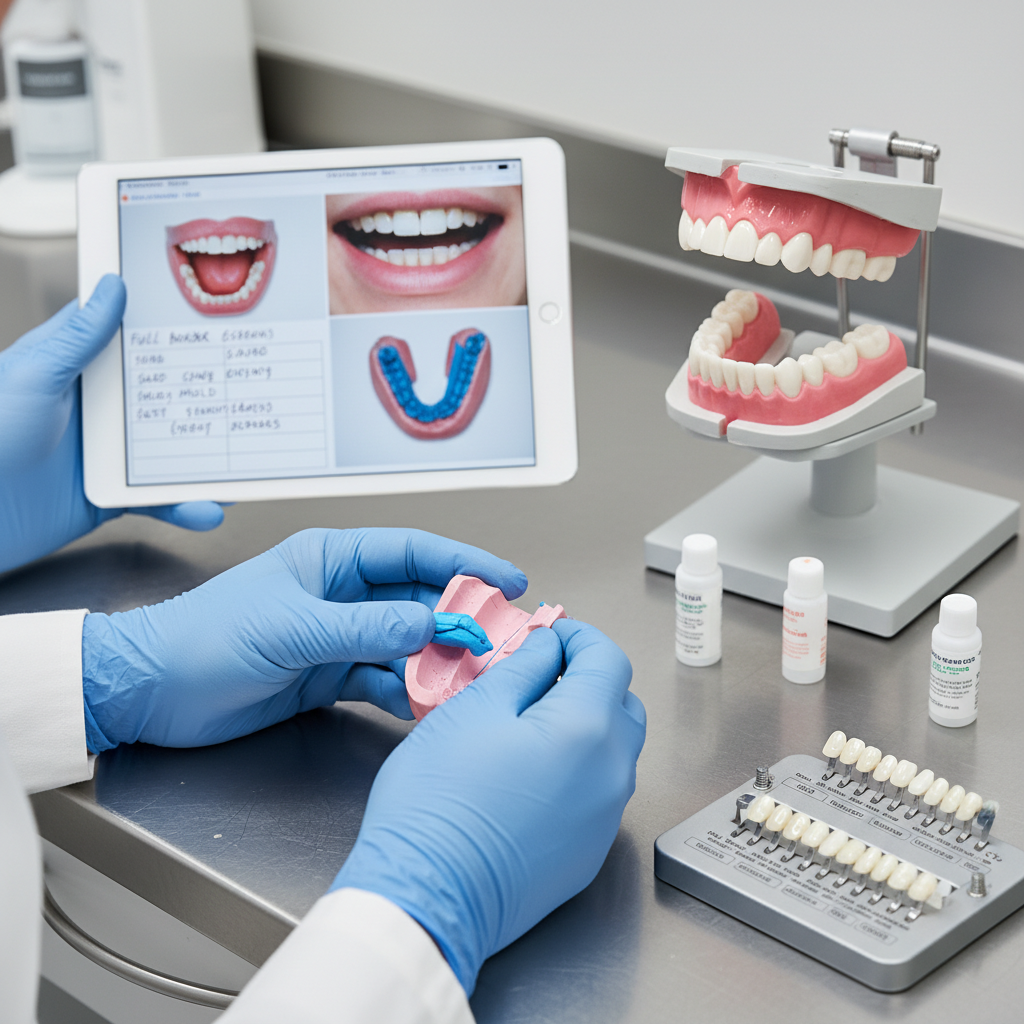
A temporary crown that does not seat accurately can create occlusal interferences or open margins that irritate soft tissue. Achieving an accurate fit depends on careful case planning and clear communication between the dentist and the laboratory. Details such as the prep design, occlusal scheme, and adjacent tooth contacts all inform how the provisional is fabricated. At David Gelman's Dental Laboratory, this same collaborative approach that guides crown and bridge CAD/CAM work and implant-related restorations is applied to provisional fabrication, with 35 plus years of hands-on experience informing how cases are planned and executed on premises.
Timely Turnaround for Boca Raton Dental Practices
Provisional crowns are time-sensitive by nature. A dentist in Boca Raton scheduling a crown prep needs the temporary ready for same-day placement, and any final restoration that follows needs to arrive without unnecessary delay. Working with a local, full-service dental laboratory allows for more direct coordination on case details and turnaround expectations, which reduces the back-and-forth that can slow down a case. Because all fabrication is performed on premises, adjustments and clarifications can be handled efficiently, helping Boca Raton practices maintain consistent scheduling for both provisional and final restorations.
A Reliable Provisional Keeps the Final Restoration on Schedule
Temporary crowns are not a minor detail in the restorative process. They protect the prepared tooth, maintain the bite, and set the stage for how well the final restoration will fit and function. When provisionals are fabricated with the right material, an accurate fit, and clear communication between the practice and the laboratory, dentists in Boca Raton can avoid the unplanned appointments and patient complaints that come from an unreliable temporary. A dependable provisional is simply part of a well-managed case from start to finish.
Frequently Asked Questions
What materials are typically used for lab-fabricated temporary crowns?
Bis-acryl and PMMA based materials are commonly used, each selected based on the case requirements such as the number of units involved, expected wear time, and esthetic considerations like shade stability.
How long can a patient wear a temporary crown before the final restoration is placed?
Wear time varies by case and treatment plan, which is why provisional materials are selected for durability and marginal integrity to withstand the period between preparation and final seating.
Why does the fit of a temporary crown matter if it is being replaced anyway?
An inaccurate provisional fit can allow tissue or adjacent teeth to shift position, which may interfere with how well the final restoration seats. A precise temporary helps preserve the space and contour needed for the permanent crown.
Partner With a Full-Service Lab for Provisional and Final Restorations
David Gelman's Dental Laboratory works with Boca Raton area dentists on crown and bridge cases from provisional fabrication through final delivery, with all work completed on premises. Reach out to discuss case planning and turnaround for your next restorative case.